
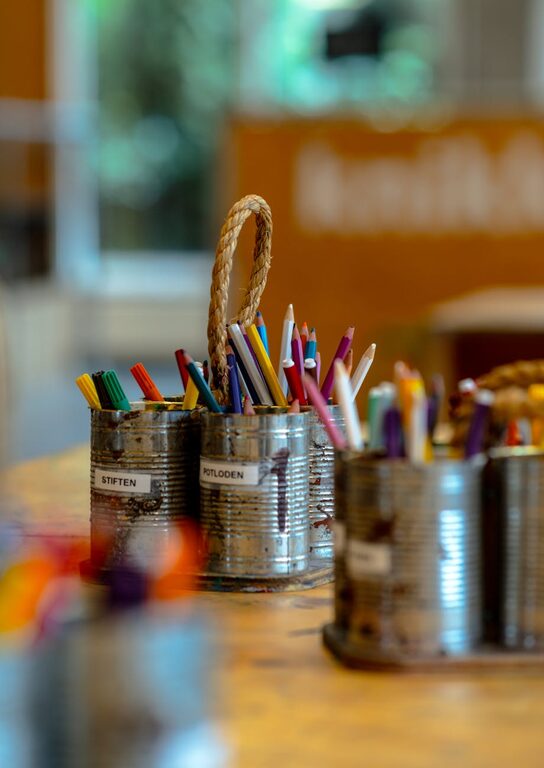
Children’s artwork is a wonderful way to celebrate their creativity and milestones. However, without a plan, these precious creations can quickly pile up, causing clutter and making it tough to enjoy them fully. Organizing kids’ art doesn’t have to be overwhelming. With a few practical tips and creative ideas, you can keep these masterpieces well-preserved and your space neat.
Why Organizing Kids’ Art Matters
Before diving into tips, understanding why organization is important helps establish a routine:
– Preservation: Artworks can fade, tear, or get lost if not stored properly.
– Memory Keeping: Organized collections make it easy to revisit your child’s progress over time.
– Clutter Reduction: It prevents overwhelming piles that cause stress for both parents and children.
– Encouragement: A tidy display can motivate kids to keep creating.
Step 1: Sort and Select Regularly
The key to effective organization starts with sorting:
– Create Categories: Sort art by age, school year, or project type.
– Involve Your Child: Ask them to choose their favorite pieces to keep, teaching decision-making.
– Set Limits: Decide how many pieces you will keep per month or year to avoid overload.
Step 2: Use Storage Solutions
Various storage options help keep the art safe and accessible:
Portfolio Folders or Binders
– Use large, durable portfolios to store flat art pieces.
– Sheet protectors can hold individual sheets in binders, making browsing easy.
Art Boxes
– Label sturdy boxes by year or child’s name.
– Store three-dimensional projects by placing them in clear, stackable containers.
Digital Storage
– Photograph or scan artwork before recycling or donating.
– Use cloud apps or online albums to create a digital archive that requires no physical space.
Step 3: Display Selected Art Creatively
Showcasing art can boost your child’s confidence and keeps favorite items visible:
– Gallery Wall: Dedicate a space to frame rotating artwork.
– Clipboards or Wire Displays: Easily swap pieces with clips or wire and mini clothespins.
– Art Books: Compile photos of artwork into a printed coffee-table book for a keepsake.
Step 4: Repurpose and Gift
Turn your child’s art into meaningful keepsakes or gifts:
– Create custom calendars, greeting cards, or wrapping paper featuring their designs.
– Use art for craft projects like collages or decoupage on boxes or notebooks.
– Frame pieces as gifts for family members.
Step 5: Establish a Routine
Organization works best with consistent habits:
– Choose a weekly or monthly time to sort new pieces.
– Designate an “art station” where children can create and store ongoing projects.
– Celebrate preservation by revisiting the collection together.
Tips for Managing Digital Art
In today’s tech-friendly world, children often create art digitally. Managing digital files is just as important:
– Keep a dedicated folder on your device or cloud service.
– Name files with dates and descriptions for easy retrieval.
– Backup regularly to avoid accidental loss.
Final Thoughts
Keeping kids’ art organized is a rewarding process that balances honoring creativity with maintaining a clutter-free home. By sorting regularly, choosing the right storage solutions, and celebrating creations through display and reuse, you create a system that works for both you and your child. With these tips, your child’s artistic journey becomes a treasured collection rather than a source of stress.
Remember, the goal is to enjoy and encourage their creativity — an organized approach just makes it easier!