
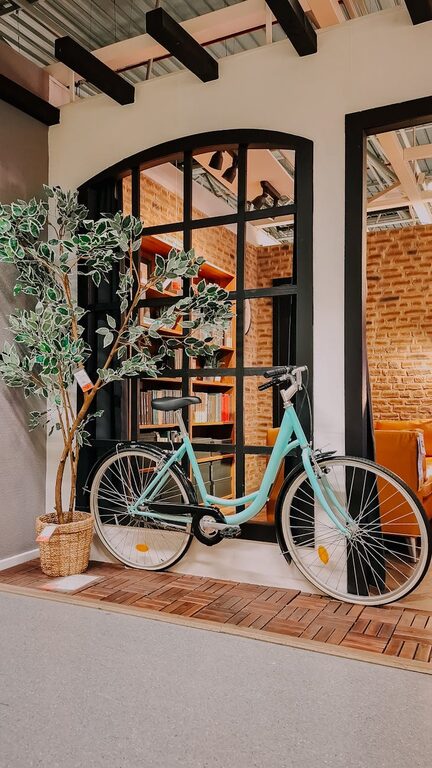
Bringing plants into your home is a wonderful way to refresh your living space, adding color, texture, and life. Whether you’re a seasoned plant lover or just starting out, incorporating greenery can improve your home’s atmosphere and your well-being. In this post, we’ll explore easy, practical tips for selecting, arranging, and caring for plants to create a fresh, inviting environment.
Why Add Plants to Your Home?
Plants offer more than just beauty. They can improve air quality, reduce stress, and even boost creativity. Plus, having plants around creates a natural connection that can make your home feel cozier and more vibrant.
Choosing the Right Plants for Your Space
Consider Your Lighting
Before selecting plants, assess the light available in your rooms. Some plants thrive in bright, direct sunlight, while others prefer low light.
– Bright Light: Succulents, fiddle leaf figs, and spider plants.
– Medium Light: Pothos, snake plants, ZZ plants.
– Low Light: Peace lilies, philodendrons, cast iron plants.
Think About Your Lifestyle
If you’re busy or new to plant care, opt for low-maintenance varieties that can tolerate occasional neglect.
– Easy care plants include snake plants, pothos, and ZZ plants.
– For those who love a challenge, try orchids or bonsai.
Match Plants to Your Décor
Choose plants and planters that complement your style. Modern, minimalist spaces often benefit from sleek pots and simple greenery, while bohemian homes embrace a variety of textures and colors.
Creative Ways to Display Plants
Adding plants doesn’t mean just placing pots on a shelf. Consider these ideas to make greenery a focal point:
Use Plant Stands and Shelves
Plant stands come in various heights and materials, adding dimension and helping your plants catch the right light. Shelves can house multiple plants in different sizes for a curated look.
Hang Them Up
Macrame hangers or wall-mounted planters save floor space and add visual interest. Hanging plants like trailing pothos or ivy look stunning cascading down.
Create a Green Corner
Dedicate a corner of your room to a cluster of plants of various sizes and types. Grouping plants together can transform an empty space into a lush retreat.
Integrate Plants into Functional Spaces
Place small herbs on your kitchen windowsill or add a spider plant in your bathroom for a touch of freshness.
Tips for Plant Care to Keep Your Greenery Thriving
Watering Smart
Overwatering is a common mistake. Check each plant’s watering needs, and ensure pots have drainage holes to prevent root rot.
Proper Lighting
Rotate plants periodically to ensure even growth and place them where they receive their preferred amount of light.
Repot When Needed
As plants grow, they may require larger pots. Repotting refreshes soil and gives roots more room to expand.
Feed Your Plants
Use appropriate fertilizers during the growing season to keep your plants healthy and vibrant.
Keep Them Clean
Dust plant leaves with a damp cloth to help them absorb light better and reduce pests.
Seasonal Plant Refresh: Keeping Your Home Green Year-Round
As seasons change, adjust your plant selection and care routine:
– In winter, many plants enter dormancy and need less water.
– Summer is prime growing season—consider adding new plants or repotting.
– Rotate plants to prevent sunburn from stronger sunlight in summer months.
Additional Benefits of Having Plants at Home
Beyond aesthetics, plants can help control humidity, reduce noise, and encourage mindfulness and relaxation through the simple act of caring for them.
Final Thoughts
Refreshing your home with plants is a rewarding and enjoyable project. By selecting the right plants, styling them thoughtfully, and maintaining their care needs, you create a space that feels more alive and inviting. Start small, be patient, and watch your indoor garden flourish!
Happy planting!